

03 Apr Artificial Sweeteners & Type 2 Diabetes: What You Need to Know
Artificial sweeteners are everywhere.
If you’ve picked up a sugar-free yoghurt, a diet drink, or even some chewing gum today, you’ve probably had them.
So what are they, and should you be worried if you’re managing type 2 diabetes?
I’m Dr Nerys Frater. I’m a GP and founder of The Lifestyle Clinic, and I’ve helped hundreds of people take control of their blood glucose and their health, often in ways they never thought possible.
In this post, I’ll give you the truth about artificial sweeteners, straight from the clinic and what the research is currently telling us.
You’ll learn:
- What artificial sweeteners actually are
- Whether they affect blood glucose
- What we know about safety
- The three rules I use when someone asks, Should I be using sweeteners?
What are artificial sweeteners?
Artificial sweeteners are ingredients that make food and drinks taste sweet, but with little or no sugar and without the calories.
You’ll find them in:
- Diet fizzy drinks
- Low-calorie desserts
- Sugar-free snacks
- Sugar-free diabetic friendly products
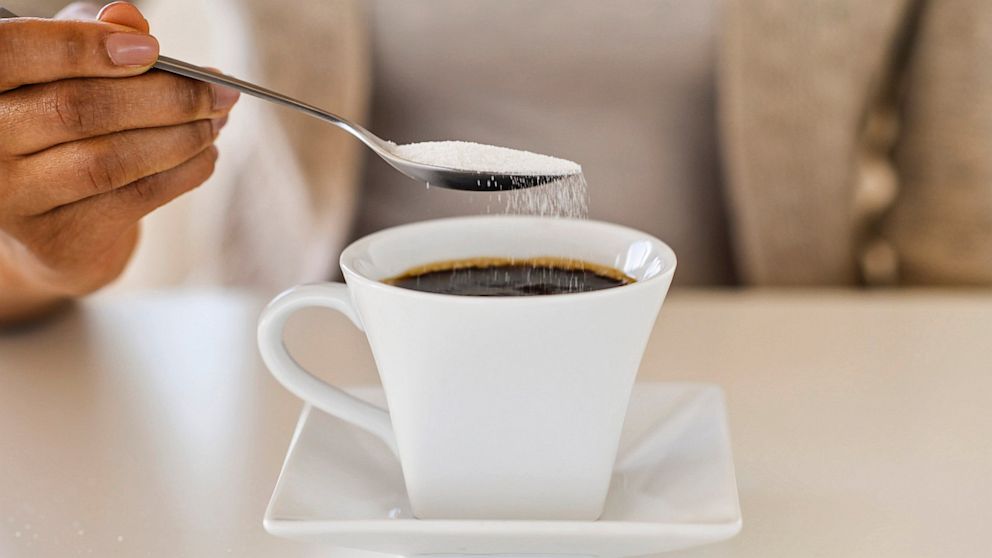
- Sweetener tablets or sachets for tea and coffee
Some of the most common sweeteners you’ll see in the UK include:
- Aspartame (for example, in Diet Coke and many yoghurts)
- Sucralose (often sold as Splenda)
- Saccharin (often sold as Sweetex)
- Stevia (plant-derived, but usually highly processed in foods)
- Sugar alcohols like erythritol and xylitol (a bit different, but common in sugar-free products)
One important point: not all sweeteners are created equal.
Some are hundreds of times sweeter than sugar. Some come from plants. Others are made in a lab. The food industry loves them because they cut calories.
But the real questions are:
- Are they safe?
- Are they helpful if you have diabetes?
Are artificial sweeteners safe if you have diabetes?
According to the NHS and Diabetes UK, artificial sweeteners are generally considered safe to use, including for people with diabetes.
They do not directly raise blood glucose in the same way sugar does.
That’s the official line, and its reassuring.
But the science isn’t quite as simple as safe or unsafe. The research is still evolving, and the bigger picture includes things like cravings, appetite, gut health, and long-term habits.
Do artificial sweeteners raise blood glucose?
For most people, most artificial sweeteners do not spike blood glucose.
That’s why they’re used so widely in diabetic friendly foods and drinks.
Large reviews (including a major review published in the BMJ in 2019) have found that sweeteners such as aspartame, sucralose, and stevia do not directly raise blood glucose.
If you’re trying to avoid sugar spikes, that’s good news.
The but you need to know
Some research suggests certain sweeteners may still affect the body in other ways.
1) Gut bacteria
A study published in 2014 raised concerns that some sweeteners may change gut bacteria in ways that could influence how the body handles sugar over time.
The evidence is not black and white, especially in humans, but its enough to make scientists and doctors pay attention.
2) Insulin response
Some sweeteners, particularly in larger amounts, may trigger a small insulin response even without a rise in blood glucose.
That may not sound like a big deal, but insulin is a hormone linked with fat storage and weight gain. Its worth being aware of.
3) Cravings and appetite
In clinic, I see two very different responses.
Some people can use sweeteners with no obvious problems.
Others notice:
- more cravings
- more snacking later in the day
- blood glucose readings that are higher than expected after a sugar-free treat
And I’ll be honest about my own body too. I sometimes fast, and I’ve noticed that if I drink squash (rather than water) on fasting days, I’m significantly hungrier. I put that down to the sweetener effect.
So this is where I land as a GP: sweeteners may not spike your blood glucose, but your body’s response can still vary.
Artificial sweeteners and the gut: what we know so far
There is growing interest in how sweeteners might affect the gut microbiome.
Your gut bacteria help regulate:
- digestion
- immune function
- inflammation
- and even how your body handles glucose
Some animal studies suggest sweeteners like saccharin and sucralose can shift the gut microbiome in an unhelpful direction, and in some cases make blood sugar control harder.
Human evidence is less clear, but if you already have digestive issues, I think its sensible to be a bit cautious with heavy sweetener use.

Artificial sweeteners, cravings, and the sweetness loop
One of the big promises of sweeteners is that you get sweetness without sugar or calories.
But for many people, sweet taste without real energy creates a mismatch.
Your brain gets the sweet signal, but your body doesn’t get the expected fuel. For some people, that can lead to wanting more.
I also see people become less sensitive to natural sweetness in real food over time.
If you’re always getting intense sweetness from drinks and snacks, berries can start to taste not sweet enough. Carrots don’t feel like a treat. And the bar keeps moving.
This is why I don’t see sweeteners as a magic bullet.
What do major health organisations actually say?
The NHS, Diabetes UK, and the American Diabetes Association consider sweeteners such as aspartame, sucralose, and stevia safe for most people when used in moderation.
You may have seen scary headlines about cancer.
Most of those concerns came from older animal studies using extremely high doses. Decades of research in humans have not shown a clear link between sweeteners and cancer at typical intake levels.
The World Health Organisation updated guidance in 2023, saying that while sweeteners are not dangerous in small amounts, there is not strong evidence they help with long-term weight loss or health.
So the message Id take from that is:
Use sweeteners mindfully if they help you reduce sugar, but don’t rely on them as a long-term solution.
What I see in clinic: the two sweetener patterns
When I look at my patients, I see two broad groups.
Group 1: Sweeteners as a stepping stone
These people use sweeteners as a conscious, temporary bridge.
For example:
- swapping sugar for sweetener in tea
- switching to a diet drink to break a sugary drink habit
Over time, cravings reduce and they gradually need less sweetness overall.
Group 2: Getting stuck
This is the bigger group.
They start with sweeteners as a healthier choice but end up relying on them daily.
The brain loves sweetness. For some people, sweeteners keep the craving alive.
Instead of breaking free, they swap one dependency for another.
And this is the pattern I see most often:
The more you feed your sweet tooth, the harder it becomes to let go of cravings altogether.
My 3 rules for sweeteners (the ones I actually use)
When someone asks me, Should I be using sweeteners? these are my three rules.
- If sweeteners help you reduce sugar, that can be a useful step
- Use them as a bridge, not a daily habit
- Your end goal is to reset your taste buds so real food tastes good again
You’re not a failure if you have a sweet tooth. It just means your brain is still wired to look for sweetness.
The freedom comes when you don’t need that hit all the time.
How to cut down on both sugar and sweeteners (gently)
If you want to move away from sugar and sweeteners, here’s what I see work best.
1) Notice where sweetness shows up
Is it in your tea or coffee?
Breakfast?
Snacks?
Awareness is the first step. Most people are surprised by how often they reach for sweetness without thinking.
2) Reduce gradually
You don’t need to go cold turkey.
Try:
- halving the number of sweeteners in hot drinks
- swapping one diet drink a day for sparkling water with lemon
- choosing one savoury snack a day (nuts, boiled eggs, cheese)
Over time, your taste buds really do reset.
3) Add flavour, not sweetness
Try flavours that feel like a treat without triggering the more, more, more loop:
- cinnamon
- vanilla
- ginger
- citrus zest
4) If you crave sweet after meals, pause and change state
If you’re like me and you crave something sweet after eating, try:
- a short walk
- a herbal tea
- waiting 10 minutes before deciding
Cravings often pass.
5) Be kind to yourself
This isn’t about perfection.
Its about slowly retraining your brain and your palate so you’re not dependent on sweet tastes of any kind.
Your next step
If you found this helpful and you’re ready to take practical steps towards better blood sugar and a calmer relationship with food, you might like to join my next live webinar here:
The Reset Event
Its a doctor-led session to help you understand what’s driving your blood sugar and what to do next.
If that feels supportive, you can read more and register by clicking here.
Disclaimer
The content published on this website is for general information and education only and is not a substitute for personalised medical advice, diagnosis, or treatment. Always seek advice from your GP or another qualified healthcare professional about your individual situation. Never disregard or delay seeking medical advice because of something you have read here or on this website. Do not start, stop, or change prescribed medication without medical guidance (this is especially important if you have diabetes or take medication that affects blood sugar or blood pressure).