
13 Apr Type 2 Diabetes Does Not Have to Mean Feeling Hungry: How to Feel Full and Satisfied (and Why It Matters)
Type 2 diabetes does not mean you have to feel hungry or deprived.
In fact, feeling full and truly satisfied after food can be one of your most powerful tools for managing blood sugar, reducing cravings, and improving your overall health.
I’m Dr Nerys Frater. I’m a GP and founder of The Lifestyle Clinic, and I’ve helped hundreds of people in the UK take control of their blood glucose without endless restrictions or bland, boring meals.
In this post, I’ll cover:
- Why so many people with type 2 diabetes struggle with hunger, even when eating healthy foods
- The science of fullness (satiety) and how it affects blood glucose
- The most common mistakes I see when people go on a diet to reverse diabetes
- Practical tweaks to reduce snacking between meals
- A simple six-part plan you can start straight away
If you’re tired of feeling hungry, battling cravings, or worried you’ll fall off the wagon, this is for you.
Why do I feel hungry all the time, even when I’m eating healthy?
Lets be honest. One of the most common reasons people give up on eating well is simple.
Hunger.
That distracting, empty feeling that sneaks in not long after a meal, even when you’re trying your best.
You might recognise some of these:
- You eat a big colourful salad and feel starving 20 minutes later
- You choose low-fat yoghurt and somehow end up raiding the biscuit tin before lunch
- You eat a big bowl of pasta, feel stuffed, and then an hour later you are craving something sweet
- You eat a meal like chicken curry and still fancy chocolate not long after
If any of this sounds familiar, you are not alone. In fact, it is the rule rather than the exception for many people trying to lower blood glucose.
And here is the key point.
Persistent hunger is not a willpower problem.
It is biology.
When your body keeps sending hunger signals, it is almost impossible to ignore them forever. Eventually you give in, and then comes the guilt, the self-blame, and the feeling you have failed again.
But you have not failed. You have been set up by advice that often does not work for real bodies.
The low-fat, high-carb trap and the sugar rollercoaster
For years we have been told:
- eat less fat
- cut calories
- fill up on healthy carbs
- swap butter for low-fat spreads
- choose skimmed milk
- eat cereal for breakfast
- make rice, pasta, and potatoes the base of your meals
Here is what is really going on.
When we lower fat, we usually replace it with carbohydrates.
Carbs are everywhere: bread, pasta, rice, potatoes, cereals, crackers, and yes, fruit is carbohydrate too.
The problem is that carbohydrates break down into glucose in the body. Some do it quickly (white bread, sugary cereal). Some do it more slowly. But the end result is the same.
Glucose in the bloodstream.
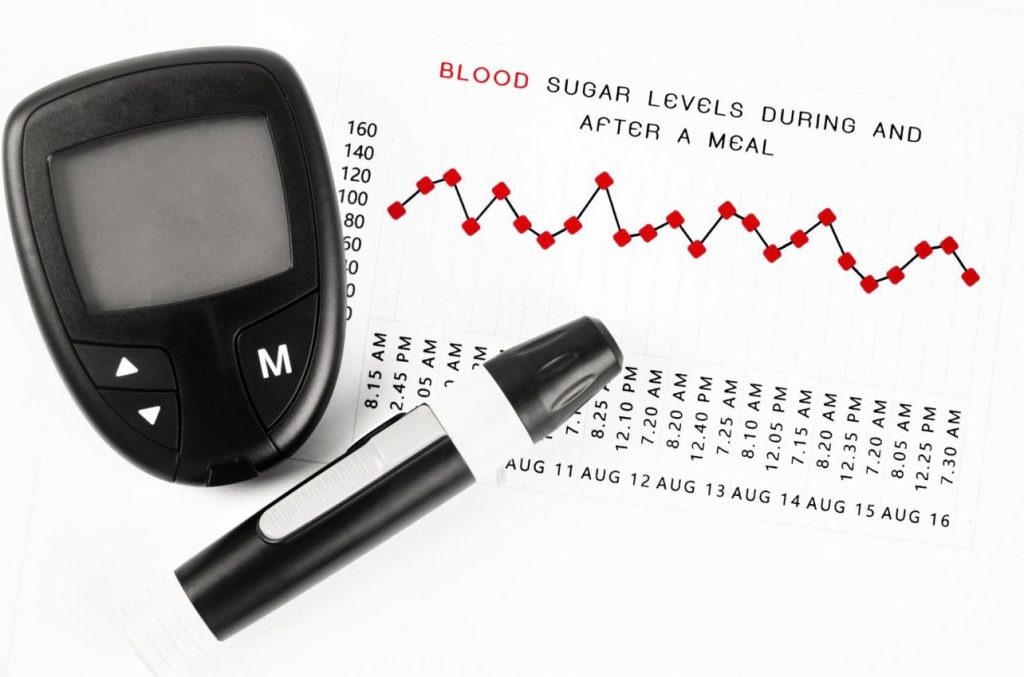
This is the sugar rollercoaster:
1. You eat a carb-heavy meal
2. Blood glucose rises
3. Insulin rises to bring it down
4. Blood glucose drops
5. You feel tired, irritable, and hungry
6. You reach for another snack
7. The cycle repeats
It is exhausting and deeply discouraging.
I see it every week in clinic.
One patient, Margaret, came to see me after months of doing everything right: low-fat, calorie-counted meals, pasta and rice salads, fat-free dressings, fruit for snacks. She was always hungry, always thinking about food, and her blood glucose was creeping up. She felt she simply did not have enough willpower.
It was not her fault.
The very advice she was following was setting her up for constant ups and downs.
What changes when you step off the rollercoaster
Just for a moment, imagine what life could feel like if you could step off that sugar rollercoaster.
Imagine:
- going four, five, even six hours between meals without needing to snack
- not thinking about food all the time
- not feeling chained to your next snack
- not needing to carry food everywhere just in case
And inside your body, when you are not constantly eating or digesting, your body finally gets a chance to use stored fat for fuel.
For many people, that is exactly what helps weight loss become easier and blood glucose start to improve.
The science of fullness (satiety): why calories and volume are not the whole story
Lets bust a myth.
Feeling full is not just about how much you eat or how many calories are on your plate.
It is also about the signals your body sends to your brain, telling you whether you are truly nourished.
Here are the key players.
Protein
Protein is the most filling nutrient.
It slows digestion, helps steady blood glucose, and sends strong I’ve had enough signals to the brain.
Fat
Fat adds flavour, helps you absorb vitamins, supports hormones, and keeps you satisfied for longer.
When you cut fat, many people end up hungry sooner.
Fibre
Fibre, especially from non-starchy vegetables (broccoli, leafy greens, peppers), adds bulk and slows digestion. It also supports gut health.
Volume foods
Salads and soups can help you feel physically full because they contain water and fibre.
But if they are missing protein and fat, that fullness often fades quickly.
Fast-digesting carbohydrates
Carbs like white bread, pasta, and rice can give a fast burst of energy, but they often do not keep you full for long.
For many people, they can make hunger return sooner because of the sugar rollercoaster effect.
Appetite hormones
You may have heard of leptin and ghrelin.
Meals that include protein and healthy fat tend to support the satisfied signals.
Carb-heavy meals without enough protein and fat often do not switch those signals on in the same way.
And one more thing.
Sometimes hunger is not about food at all.
Stress, boredom, habit, and even seeing an advert can trigger the urge to eat, even if your body does not truly need fuel.

The most common traps I see (and the simple fixes)
Trap 1: the virtuous salad that leaves you starving
You make a salad with lettuce, cucumber, and tomatoes. You feel proud. Then you are starving an hour later.
Fix: add protein and fat.
Think chicken, eggs, beans, olive oil, avocado, and a sprinkle of seeds.
Trap 2: low-fat everything
Low-fat yoghurt, fat-free dressings, avoiding anything creamy, and then cravings hit later.
Fix: bring back healthy fats.
Full-fat yoghurt, olive oil, nuts, and proper dressings can help you feel satisfied and less likely to reach for biscuits.
Trap 3: carb-heavy meals that do not last
A big bowl of pasta or rice fills you up, but not for long. Then you are hunting for something sweet.
Fix: make protein and vegetables the main event, with a smaller portion of starchy food if you want it.
Trap 4: mistaking boredom or emotions for hunger
You feel peckish, but you might be tired, stressed, or thirsty.
Fix: pause and ask, Am I actually hungry, or do I need something else?
Sometimes a glass of water or a short walk is enough to break the spell.
Trap 5: the snack attack cycle
Constant grazing means you never feel properly full.
Fix: make your main meals more satisfying so you can go longer without needing snacks.
Many people find they can comfortably go four, five, even six hours between meals once the balance is right.
A six-part plan to feel full and steady your blood sugar
You do not have to do all of this at once. Pick one or two changes and build from there.
1. Make protein the main event
Build your meal around protein, not as an afterthought. Eggs for breakfast, chicken or fish for lunch, Greek yoghurt or tofu as an option.
2. Embrace healthy fats
Add olive oil, avocado, a handful of nuts, and choose full-fat yoghurt if it suits you. These help steady energy and reduce cravings.
3. Fill half your plate with colourful vegetables
Think abundance, not restriction. Peppers, leafy greens, broccoli, mushrooms. Fibre, volume, and nutrients without big glucose spikes.
4. Eat mindfully and slow down
Notice taste and texture. Check in with your hunger. Give yourself permission to eat without rushing.
5. Hydrate before you snack
Have a glass of water first. Thirst can feel like hunger. Hydration helps you tune in to real cues.
6. Plan satisfying snacks (if you need them)
If you do get hungry between meals, choose protein plus fat: boiled egg, cheese, nuts. These prevent the mid-afternoon crash.
Your Next Step
If you want more practical support, you might like to join my next live webinar:
The Reset Event
It is a doctor-led session to help you understand what is driving your blood sugar and what to do next.
If that feels supportive, you can read more and register by clicking here.
Watch the full video explanation here:
Remember, this is never about perfection.
It is about progress, and giving yourself the chance to feel good in your own body again.
Disclaimer
The content published on this website is for general information and education only and is not a substitute for personalised medical advice, diagnosis, or treatment. Always seek advice from your GP or another qualified healthcare professional about your individual situation. Never disregard or delay seeking medical advice because of something you have read here or on this website. Do not start, stop, or change prescribed medication without medical guidance (this is especially important if you have diabetes or take medication that affects blood sugar or blood pressure).